
Understanding When Property Neglect Becomes a Legal Issue
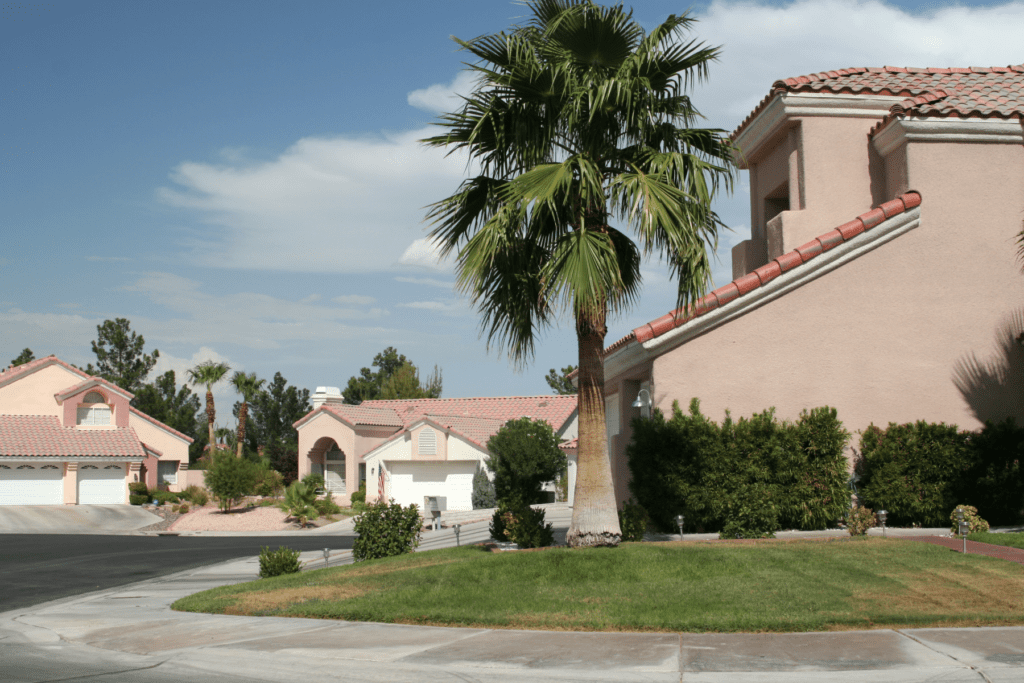
Palm trees are part of the Arizona landscape, especially in Phoenix, Scottsdale, and Lake Havasu City. Most homeowners think of trimming as routine yard maintenance. However, under certain city codes, failing to maintain palm trees can move beyond a simple landscaping issue and become a legal problem.
The consequences depend heavily on which city you are in.
Phoenix: Potential for a Class 1 Misdemeanor
In the City of Phoenix, property maintenance violations — including hazardous vegetation or failure to abate a public nuisance — can be prosecuted as a Class 1 misdemeanor in certain circumstances.
A Class 1 misdemeanor in Arizona carries:
- Up to 6 months in jail
- Up to $2,500 in fines, plus surcharges
- Up to 3 years of probation
While most cases begin with notice and an opportunity to correct the issue, failure to comply with official abatement orders can result in criminal charges in Phoenix Municipal Court.
This typically applies when:
- Dead palm fronds create a safety hazard
- Trees obstruct public sidewalks or roadways
- Fire risks are ignored
- The property owner fails to comply after formal notice
Phoenix takes nuisance abatement seriously, particularly where public safety is involved.
Scottsdale, Lake Havasu & Other Cities: Civil Penalties First
Outside of Phoenix, most Arizona municipalities—including Scottsdale and Lake Havasu City—generally begin with civil code enforcement procedures, not criminal prosecution.
The process usually follows this pattern:
- Written Notice of Violation
- Compliance Deadline
- Civil Fines or Administrative Penalties
- Escalating Fines for Continued Non-Compliance
- Potential referral to court if ignored
Only after repeated non-compliance or refusal to abate a documented hazard might the issue escalate further.
In other words, in most cities, failing to trim a palm tree is not immediately a criminal offense — but ignoring enforcement efforts can significantly increase financial and legal exposure.
When Landscaping Becomes a Legal Liability
Regardless of city, property owners in Arizona have a legal duty to maintain reasonably safe premises.
Legal exposure increases if:
- A heavy palm frond falls and injures someone
- Debris damages a vehicle
- A tree blocks traffic visibility
- Dead fronds contribute to a fire
- Rodents infest neighboring properties
Even if criminal charges are not filed, you could face a premises liability lawsuit for negligence.
Civil damages may include:
- Medical bills
- Lost wages
- Property repair costs
- Pain and suffering
In many cases, the civil lawsuit poses a greater financial threat than the municipal citation itself.
HOA Enforcement Can Add Another Layer
In master-planned communities throughout Scottsdale and other parts of Arizona, HOAs often enforce strict landscaping requirements.
Failure to maintain palm trees may result in:
- Fines
- Suspension of community privileges
- Property liens
- Legal action
HOA enforcement can move quickly and become costly if not addressed early.
Why Compliance Matters
Routine trimming is inexpensive compared to:
- Criminal defense costs (in Phoenix cases)
- Mounting civil fines
- HOA legal disputes
- Injury lawsuits
- Insurance premium increases
If you receive a code enforcement notice, treat it seriously. Prompt correction often prevents escalation.
What To Do If You’ve Been Cited
If you are facing:
- A Phoenix municipal misdemeanor charge
- Escalating civil fines in Scottsdale or Lake Havasu
- A nuisance abatement order
- An HOA legal demand
Consult with an experienced Arizona attorney immediately.
An attorney can evaluate:
- Whether proper notice was given
- Whether the condition legally qualifies as a nuisance
- Whether the city followed required enforcement procedures
- Whether penalties can be reduced or dismissed
Final Thoughts
Failing to trim a palm tree may seem minor—but in Arizona, property maintenance is a legal responsibility.
In Phoenix, non-compliance can rise to a Class 1 misdemeanor.
In other cities, violations typically begin with civil penalties but can escalate if ignored.
The key takeaway: address hazardous conditions early. Proactive maintenance protects not only your property—but also your finances, your legal standing, and your peace of mind.
📍 Scottsdale Office: (480) 584-3328
📍 Lake Havasu Office: (928) 854-8181
This blog post is for informational purposes only and does not constitute legal advice. Reading this content does not create an attorney-client relationship. For legal guidance specific to your situation, please contact a licensed attorney at Rideout Law Group.