
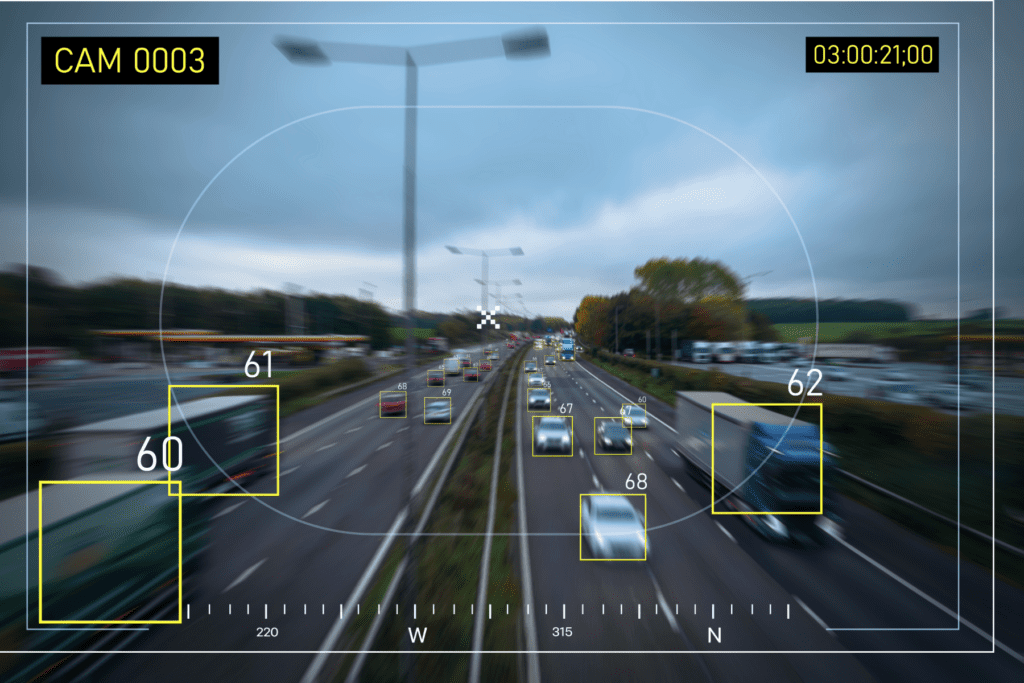
Understanding Flock Camera Systems in Arizona
In today’s legal landscape, digital evidence plays a critical role in criminal defense cases across Arizona, especially in cities like Scottsdale, Phoenix, and Lake Havasu. From cellphone data to surveillance footage, prosecutors increasingly rely on technology to build their cases. One of the most powerful—and controversial—tools now used by law enforcement is the Flock Safety camera system.
If you are facing criminal charges, understanding how this technology works—and how it can be challenged—is essential to protecting your rights.
What Is Digital Evidence in Criminal Cases?
Digital evidence refers to any information stored or transmitted electronically that can be used in court. In Arizona criminal cases, this often includes:
- Surveillance video footage
- License plate reader (LPR) data
- Cell phone location tracking
- Social media activity
- Text messages and emails
Law enforcement agencies throughout Maricopa County and Mohave County are increasingly using these tools to track movements, establish timelines, and connect individuals to alleged crimes.
However, digital evidence is not always as reliable as it appears. Errors in data collection, misidentification, and lack of context can all create serious legal issues.
What Is the Flock Camera System?
Flock Safety is a network of automated license plate reader (ALPR) cameras installed in neighborhoods, business districts, and along roadways. These cameras are now used in many Arizona communities, including parts of Scottsdale and surrounding areas.
How Flock Cameras Work:
- Capture images of passing vehicles
- Record license plates, vehicle color, make, and model
- Log time, date, and location data
- Store information in a searchable database
Law enforcement can then search this database to identify where a vehicle has been spotted, often within seconds.
Why Flock Cameras Matter in Criminal Defense Cases
Flock systems are frequently used in investigations involving:
- DUI and hit-and-run cases
- Theft and burglary
- Drug-related offenses
- Violent crimes
For prosecutors, this technology can help establish vehicle movement patterns or place a suspect near a crime scene.
But for defense attorneys, Flock data raises important legal questions.
Key Legal Issues with Flock Camera Evidence
- Accuracy and Misidentification
Flock cameras rely on automated recognition technology, which is not perfect. Similar-looking vehicles or partially obscured plates can lead to false matches.
A defense attorney may challenge:
- Whether the plate was correctly read
- Whether the vehicle actually belonged to the defendant
- Whether multiple vehicles could match the description
- Lack of Context
Flock data shows where a vehicle was—but not who was driving or why it was there.
For example:
- A vehicle may appear near a crime scene but have no connection to the alleged offense
- Multiple drivers may have access to the same car
This creates reasonable doubt that can be critical in a criminal defense case.
- Privacy and Constitutional Concerns
The widespread use of Flock cameras raises concerns about Fourth Amendment rights and unlawful surveillance.
Legal challenges may focus on:
- Whether long-term tracking constitutes illegal search
- How data is stored and shared
- Whether law enforcement had proper legal justification
Courts are still evolving in how they interpret these issues, making experienced legal representation essential.
- Data Retention and Chain of Custody
Digital evidence must be properly handled to be admissible in court. With Flock systems, attorneys may examine:
- How long data was stored
- Whether it was altered or accessed improperly
- Whether proper procedures were followed
Any break in the chain of custody can weaken the prosecution’s case.
How a Criminal Defense Attorney Can Challenge Digital Evidence
At Rideout Law Group, defending against digital evidence requires a strategic, detail-oriented approach. This includes:
- Filing motions to suppress improperly obtained evidence
- Examining metadata and timestamps for inconsistencies
- Consulting forensic experts to analyze digital records
- Cross-examining law enforcement on system limitations
With extensive courtroom experience, attorneys understand how to expose weaknesses in digital evidence and protect clients from wrongful conclusions.
As highlighted in the firm’s 2025 site strategy, Rideout Law prioritizes modern legal defense approaches, including adapting to evolving technology and evidence trends.
Real-World Impact in Arizona Cases
In both Scottsdale and Lake Havasu, digital evidence is becoming a central part of criminal investigations. Law enforcement agencies are expanding their use of surveillance tools, making it more important than ever for defendants to understand their rights.
A case involving Flock camera data may seem overwhelming—but technology alone does not prove guilt.
What To Do If Digital Evidence Is Used Against You
If you are facing criminal charges involving digital evidence or Flock camera data:
- Do not assume the evidence is accurate
- Avoid discussing your case online or via text
- Contact an experienced Arizona criminal defense attorney immediately
Early legal intervention can make a significant difference in how digital evidence is handled—and whether it is even allowed in court.
Protecting Your Rights in a Digital Age
As technology continues to evolve, so do the methods used in criminal investigations. While tools like Flock camera systems can be powerful, they are not infallible—and they must be carefully scrutinized.
At Rideout Law Group, we provide aggressive, knowledgeable defense for clients facing criminal charges across Arizona, including Scottsdale and Lake Havasu. Our team understands how to challenge digital evidence and fight for the best possible outcome.
If you’ve been charged with a crime, don’t face digital evidence alone—get the legal guidance you need today.
📞 Scottsdale Office: (480) 584-3328
📞 Lake Havasu Office: (928) 854-8181
This blog post is for informational purposes only and does not constitute legal advice. Reading this content does not create an attorney-client relationship. For legal guidance specific to your situation, please contact a licensed attorney at Rideout Law Group.