
What Arizona Law Allows—and Where Police Must Draw the Line
Interactions with law enforcement can be stressful—especially when a police officer wants to search you, your vehicle, or your home. Many people are unsure what their rights are during a police search in Arizona, and misunderstandings can lead to unintentionally waiving important legal protections.
Understanding your rights under Arizona and federal law can help you avoid self-incrimination and protect yourself if law enforcement oversteps legal boundaries.
The Constitutional Basis for Search Rights
Your rights during a police search are protected by both the Fourth Amendment of the U.S. Constitution and Article 2, Section 8 of the Arizona Constitution. These provisions safeguard individuals against unreasonable searches and seizures by the government.
As a general rule, police must have a warrant, probable cause, or a legally recognized exception before conducting a search.
When Can Police Search You in Arizona?
Searches With a Warrant
If police have a valid search warrant signed by a judge, they may search only the locations and items specifically listed in that warrant. During a warranted search, you have the right to:
- Ask to see the warrant
- Verify your address and the scope of the search
- Observe the search without interfering
Police may not legally search areas or seize items outside the warrant’s scope unless another exception applies.
Searches Without a Warrant
Warrantless searches are legal only under limited circumstances. Common exceptions include:
- Consent – You voluntarily allow the search
- Probable Cause – Police believe evidence of a crime is present
- Search Incident to Arrest – A limited search following a lawful arrest
- Exigent Circumstances – Emergency situations, such as imminent danger or destruction of evidence
- Plain View – Illegal items are clearly visible
If none of these exceptions apply, a warrantless search may violate your constitutional rights.
Your Right to Refuse Consent
One of the most important rights you have is the right to refuse consent to a search.
- You are not required to let police search your car, home, phone, or personal belongings
- Refusing consent is not an admission of guilt
- Police may not lawfully punish you solely for refusing consent
If you choose to refuse, do so calmly and clearly. A simple statement such as, “I do not consent to any searches,” is sufficient.
Never physically interfere with officers, even if you believe the search is unlawful. Any legal challenge should be handled later through your attorney.
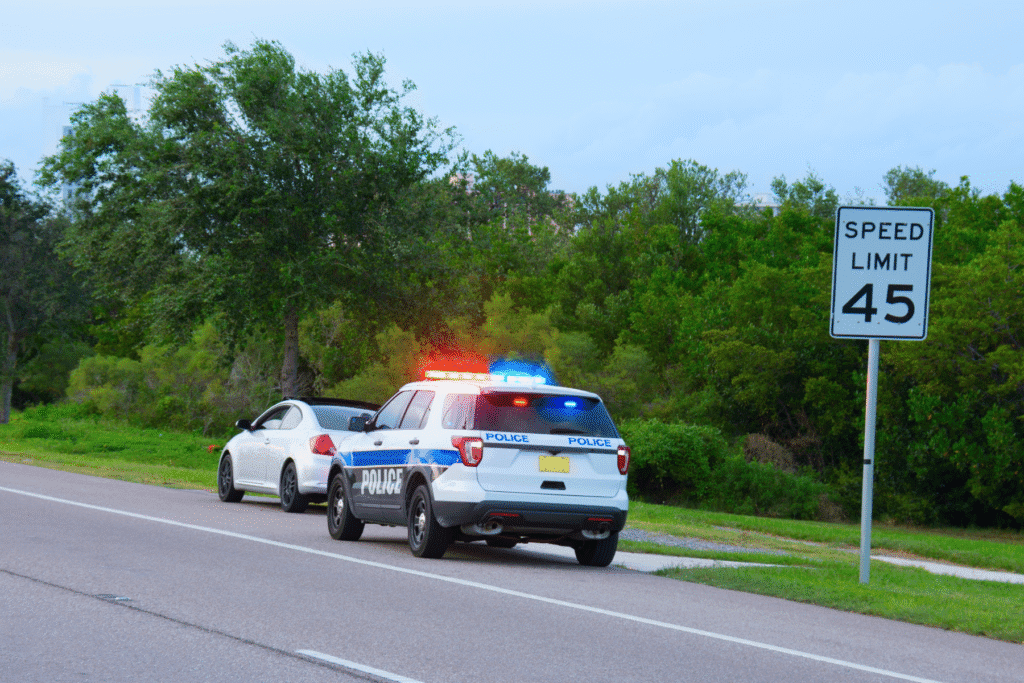
Vehicle Searches During Traffic Stops
During a traffic stop in Arizona:
- Police may ask for your driver’s license, registration, and insurance
- They may visually inspect your vehicle from outside
- They cannot search your vehicle without consent, probable cause, or a valid legal exception
If an officer claims they have probable cause, they may conduct a warrantless search. Whether that probable cause existed can later be challenged in court.
Searches of Your Home
Your home receives the highest level of constitutional protection. Police generally cannot enter or search your home unless:
- They have a valid search warrant
- You give consent
- An emergency justifies immediate entry
You are not required to open the door unless officers present a warrant. You may speak through the door and ask them to leave if no warrant exists.
Searches of Your Phone and Digital Devices
Cell phones and digital devices contain highly private information. In most situations:
- Police need a search warrant to access your phone
- You are not required to provide passcodes or unlock your device
- Giving consent can allow police to access more data than you realize
Always speak with an attorney before consenting to any digital search.
What If Police Violate Your Search Rights?
If police conducted an illegal search, your attorney may file a motion to suppress evidence. If the motion is successful:
- Illegally obtained evidence may be excluded
- Charges could be reduced or dismissed
- The prosecution’s case may be significantly weakened
Many Arizona criminal cases hinge on whether evidence was lawfully obtained.
Why Legal Representation Matters
Search and seizure law is complex, and police reports do not always tell the full story. An experienced Arizona criminal defense attorney can review:
- Body camera footage
- Search warrants and supporting affidavits
- Police reports and timelines
Identifying constitutional violations early can make a critical difference in the outcome of your case.
Speak With an Arizona Criminal Defense Attorney
If you believe your rights were violated during a police search, do not wait to seek legal advice. These issues must be raised promptly to protect your defense.
Rideout Law Group represents clients throughout Scottsdale, Lake Havasu City, Maricopa County, and Mohave County, handling criminal defense matters ranging from misdemeanors to serious felonies.
Contact Rideout Law Group today for a confidential consultation and experienced guidance on protecting your rights under Arizona law.
📍 Scottsdale Office: (480) 584-3328
📍 Lake Havasu Office: (928) 854-8181
This blog post is for informational purposes only and does not constitute legal advice. Reading this content does not create an attorney-client relationship. For legal guidance specific to your situation, please contact a licensed attorney at Rideout Law Group.