
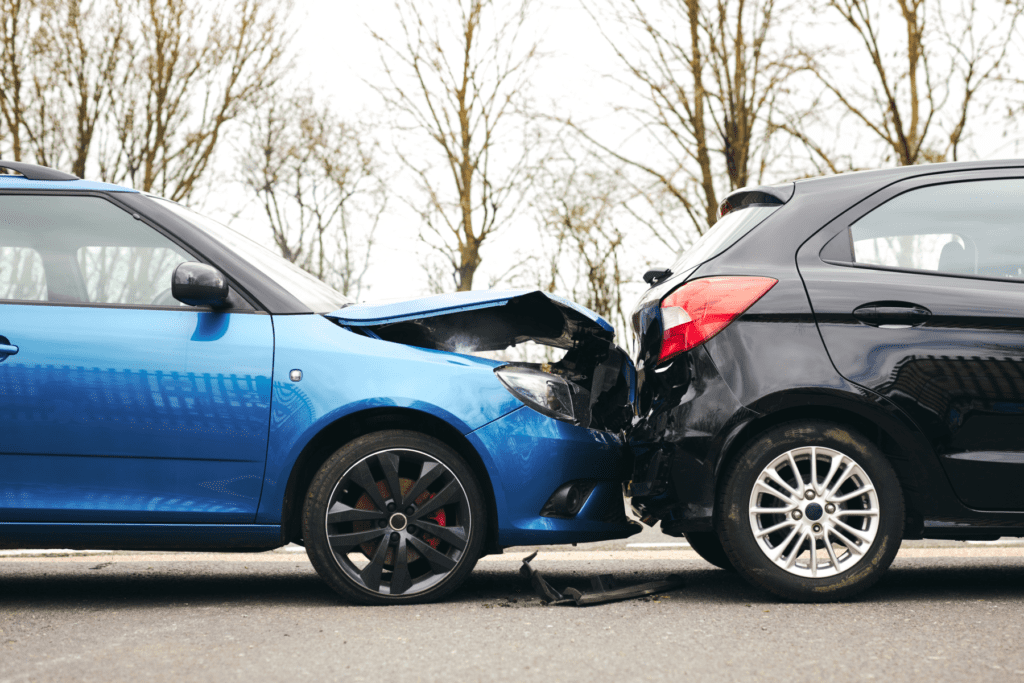
Who Is Usually at Fault?
Rear-end accidents are among the most common types of car crashes in Arizona. Whether you’re stopped at a red light in Scottsdale or slowing down in traffic along Highway 95 in Lake Havasu City, a sudden impact from behind can cause serious injuries and costly vehicle damage.
One of the first questions people ask after this type of collision is:
Who is usually at fault in a rear-end accident in Arizona?
Below, we break down how fault is determined under Arizona law—and what it means for your personal injury claim.
The General Rule: The Rear Driver Is Usually at Fault
In most rear-end collisions, the driver who hits the vehicle in front is presumed to be at fault.
Arizona drivers have a legal duty to:
- Maintain a safe following distance
- Stay alert and attentive
- Adjust for traffic, weather, and road conditions
- Be prepared to stop safely
If a driver fails to stop in time and rear-ends another vehicle, it is often because they were:
- Following too closely
- Speeding
- Distracted (texting or using a phone)
- Driving under the influence
- Failing to account for traffic flow
Because of this, insurance companies typically begin with the assumption that the rear driver is responsible.
Why the Rear Driver Is Presumed Liable
Arizona traffic laws require drivers to maintain reasonable control of their vehicles at all times. Rear-end crashes often occur because the trailing driver did not leave enough stopping distance.
For example:
- A car is stopped at a red light.
- The vehicle behind fails to stop and crashes into it.
In this situation, the rear driver usually cannot argue that the lead vehicle caused the accident simply by stopping.
However, while the rear driver is usually at fault, that is not always the case.
When the Front Driver May Share Fault
Arizona follows a pure comparative negligence rule. This means fault can be divided between drivers, and compensation may be reduced based on your percentage of responsibility.
Situations where the front driver may share fault include:
- Sudden, Unnecessary Braking
If a driver slams on the brakes without traffic, hazards, or road conditions requiring it, they may share liability.
- Non-Functioning Brake Lights
If the front vehicle’s brake lights were not working properly, the rear driver may argue they had insufficient warning.
- Unsafe Lane Changes
If a driver abruptly cuts into another lane and is immediately rear-ended, the merging driver could be partially at fault.
- Reversing Into Another Vehicle
If a vehicle suddenly shifts into reverse and backs into the car behind it, the “rear driver” may not be responsible.
Every rear-end accident case depends on the specific facts, available evidence, and witness accounts.
How Fault Is Determined in Arizona Rear-End Accidents
Liability is typically determined by reviewing:
- Police accident reports
- Vehicle damage patterns
- Traffic camera footage
- Eyewitness statements
- Crash reconstruction analysis
- Cell phone records (in distracted driving cases)
Insurance companies conduct their own investigations—but their goal is often to minimize payouts.
That’s why working with an experienced Arizona car accident lawyer can make a significant difference in protecting your rights.
Common Injuries in Rear-End Collisions
Even low-speed rear-end crashes can cause serious injuries, including:
- Whiplash
- Herniated discs
- Concussions
- Spinal injuries
- Shoulder and neck strain
In busy areas like Scottsdale and Lake Havasu City, heavy traffic and high-speed roadways increase the risk of severe impact injuries.
If you experience pain hours or days after a crash, seek medical care immediately. Delayed symptoms are common in rear-end accident cases.
What to Do After a Rear-End Accident in Arizona
If you’re involved in a rear-end collision:
- Call 911 and request a police report
- Seek medical attention
- Document the scene with photos
- Exchange insurance and contact information
- Avoid admitting fault
- Speak with a qualified Arizona personal injury attorney
Taking the right steps early can prevent costly mistakes later.
How Compensation Works in Rear-End Accident Claims
If the other driver is at fault, you may be entitled to recover compensation for:
- Medical expenses
- Lost wages
- Future treatment costs
- Pain and suffering
- Vehicle repairs
Under Arizona’s pure comparative negligence system, your compensation may be reduced if you are partially at fault—but you can still recover damages even if you share responsibility.
Why Legal Representation Matters
Rear-end accident cases may seem straightforward. However, insurance companies often:
- Dispute the severity of injuries
- Argue shared fault
- Downplay medical treatment
- Offer low initial settlements
An experienced Arizona personal injury attorney can:
- Investigate liability
- Gather and preserve evidence
- Handle insurance negotiations
- Pursue full compensation
- File a lawsuit if necessary
Rideout Law Group provides aggressive, client-focused representation across Arizona, with offices in:
- Scottsdale – 11111 N Scottsdale Rd, Suite 225, Scottsdale, AZ 85254
- Lake Havasu City – 2800 Sweetwater Ave, Suite A104, Lake Havasu City, AZ 86406 with extensive courtroom experience in Arizona courts.
Injured in a Rear-End Accident in Scottsdale or Lake Havasu?
Rear-end crashes are common—but the injuries and financial consequences can be life-changing.
If you were hit from behind in Scottsdale, Lake Havasu City, or anywhere in Arizona, do not assume the insurance company will automatically treat you fairly.
Speaking with a knowledgeable Arizona personal injury lawyer can help you understand:
- Who is truly at fault
- What your case may be worth
- How to protect your financial recovery
Contact Rideout Law Group today for a confidential consultation and take the next step toward recovery.
This blog post is for informational purposes only and does not constitute legal advice. Reading this content does not create an attorney-client relationship. For legal guidance specific to your situation, please contact a licensed attorney at Rideout Law Group.